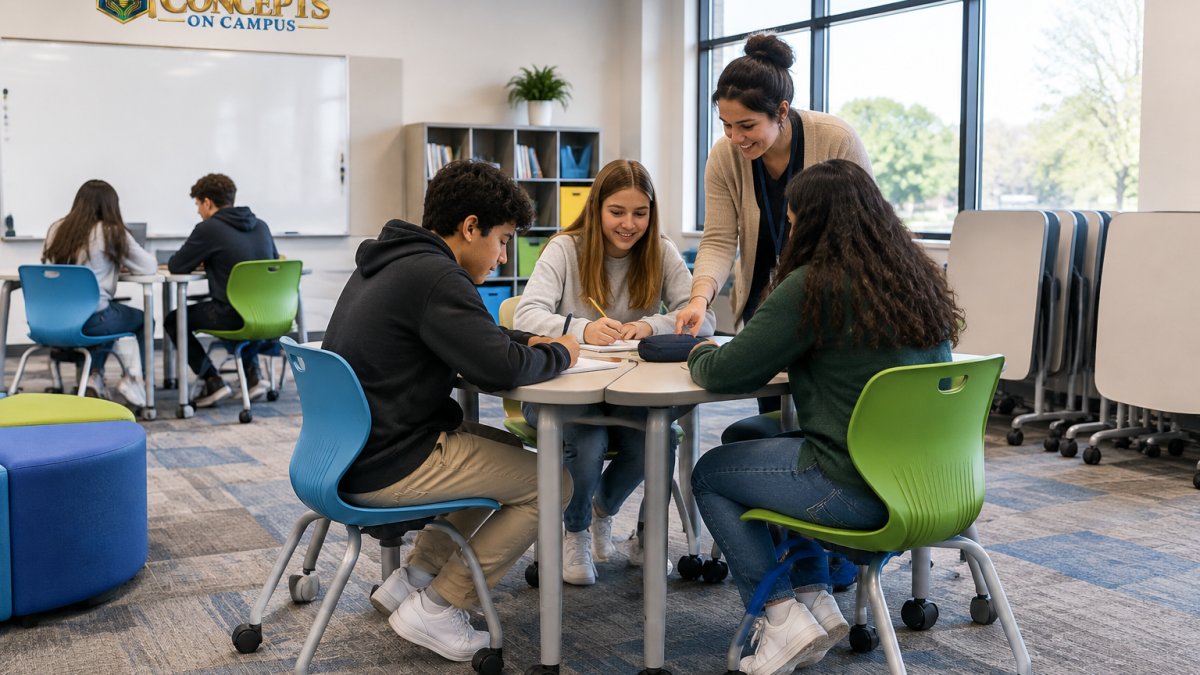
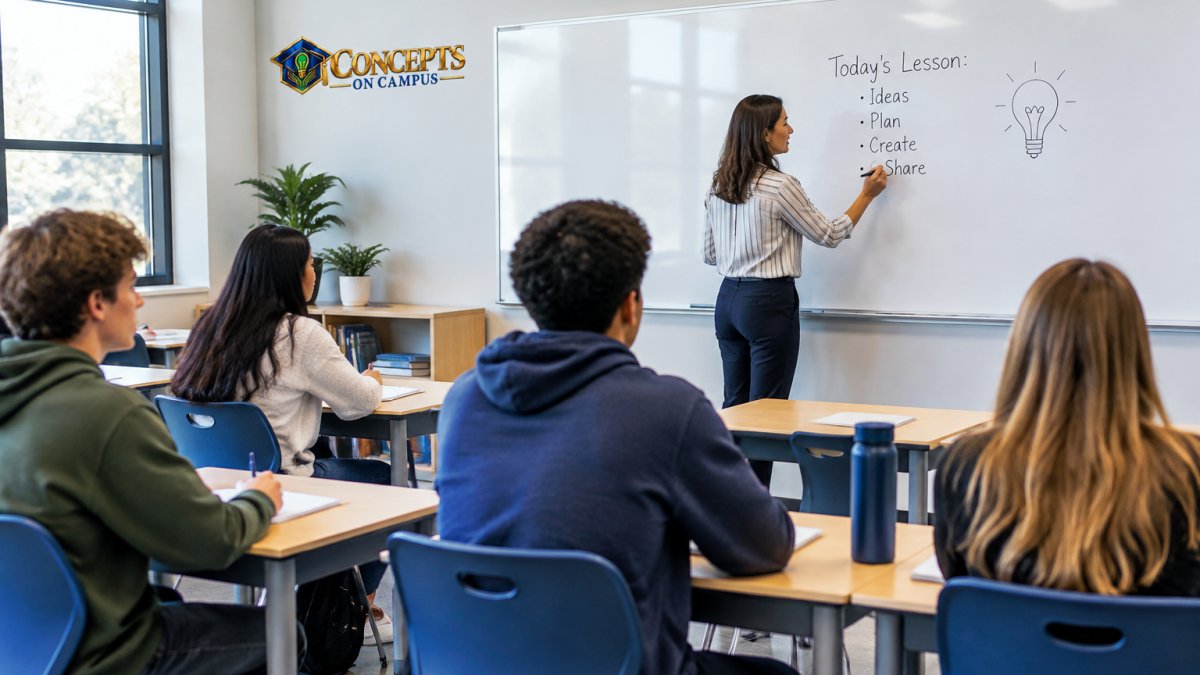
 how-to
5 Ways to Modernize Old Classrooms Without Construction
Last Updated: November 4, 2026
Quick Summary
You can modernize old classrooms without construction by fixing surfaces, layout, and power first. Peel-and-stick dry-erase film from Think Board turns plain walls into writable surfaces without demolition, and battery-powered charging carts solve outlet shortages without opening walls. Audit each room before buying, then phase the work so classes never stop.
- Walk each room and note what's worn, cluttered, and short on power before buying anything.
- Peel-and-stick dry-erase film from Think Board creates writable walls without demolition.
- Rearranging existing furniture costs nothing and changes everything in the room.
- Battery-powered charging carts and surface-mounted raceways add power without opening walls.
- Finish one pilot room, gather teacher feedback, then roll out one wing at a time.
Table of Contents
- Start With a Plan: How to Modernize Old Classrooms Without Construction
- Modern Classroom Design That Works With Your Existing Space
- Classroom Furniture Layout Ideas for Flexible Seating
- Low-Cost Classroom Improvements That Still Look Intentional
- How to Decorate Your Classroom Without Adding Clutter
- Renovation Planning Without the Disruption
- Measuring Whether the Refresh Worked
- Frequently Asked Questions
Start With a Plan: How to Modernize Old Classrooms Without Construction
Most aging classrooms don't need a wrecking ball. Concepts on Campus provides surface upgrades, furniture, and technology integration aimed at modernizing old classrooms without major construction.
Step 1: Audit Before You Buy
Walk each room and note what's worn, cluttered, and short on power. The U.S. Department of Education's school facilities guidance stresses that facility condition affects instruction, so start with evidence.
Step 2: Fix Surfaces First
Peel-and-stick dry-erase film from Think Board can turn a plain wall into a writable surface without demolition.
Step 3: Reset the Layout
Rearranging existing furniture costs nothing and changes everything.
Step 4: Add Power Without Rewiring
Battery-powered charging carts and surface-mounted raceways solve outlet shortages without opening walls.
Step 5: Measure and Adjust
Track teacher feedback and room usage for a semester, then refine.
Step | Time Needed | What It Fixes |
|---|---|---|
Audit | One afternoon | Wrong purchases |
Surface refresh | One to two days | Worn walls, dull displays |
Layout reset | One day | Poor sightlines, clutter |
Modern Classroom Design That Works With Your Existing Space
Modern classroom design updates a learning environment through layout, surfaces, light, and storage rather than structural change. For a deeper look, see our guide on how to customize campus spaces for better learning environments.
- Wall displays: Consider magnetic-receptive surfaces that can hold student work and double as teaching space.
- Lighting: Swap harsh fixtures for warmer, diffused options and add sheer window film to cut glare.
- Organization: Add low shelving and labeled bins so materials live where they're used.
Accessibility belongs in this plan from day one: clear paths, reachable storage, and writable surfaces at seated height.
Classroom Furniture Layout Ideas for Flexible Seating
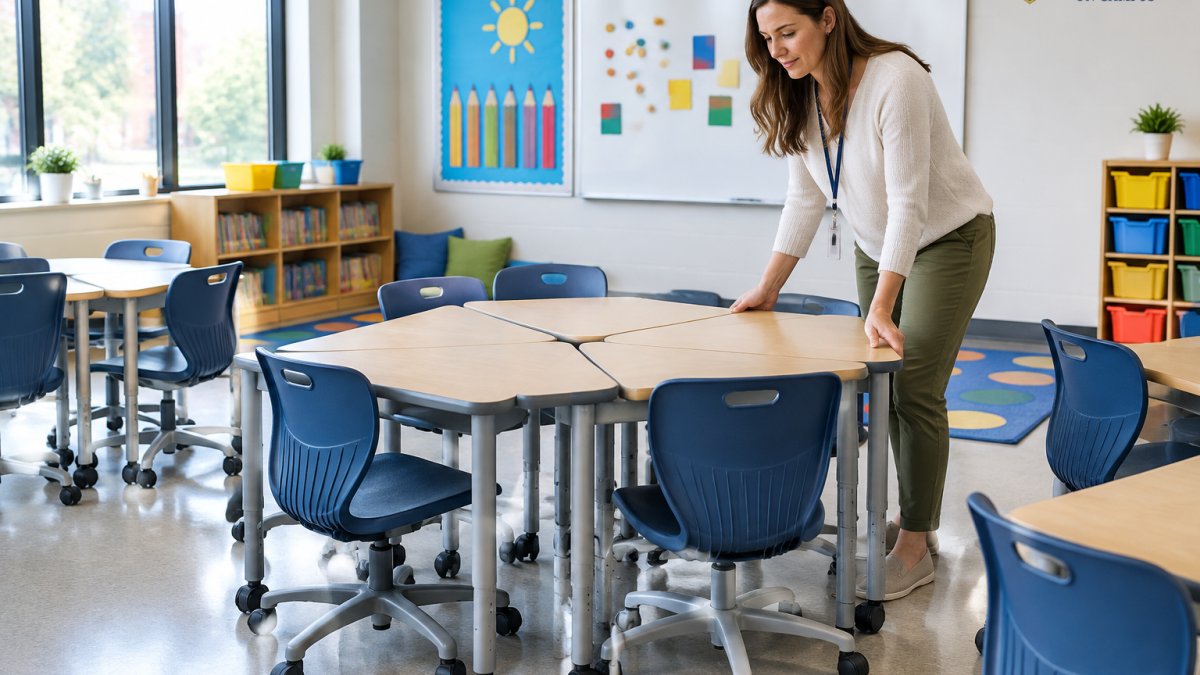
Flexible seating means arranging furniture so students can shift between whole-group, small-group, and independent work without rebuilding the room. Test most ideas with the desks and chairs you already own.
Request a Campus Walkthrough / Sample Brochure →
- Pod clusters: Group four desks facing each other, leaving aisles clear.
- U-shape: Good for discussion-heavy classes and clear sightlines to the board.
- Rows with gaps: Widen aisles for movement and wheelchair access.
- Station rotation: Set distinct zones for reading, group work, and direct instruction.
Test one layout for two weeks before committing.
Low-Cost Classroom Improvements That Still Look Intentional
Budget-friendly improvements work best when consistent. Pick one accent color, one surface treatment, and one storage system, then repeat them across every room.
- Decluttering: Remove broken furniture and expired materials.
- Storage: Add labeled bins and low shelves.
- Wall refresh: Use peel-and-stick dry-erase film to convert dead wall space into teaching surface.
- Cleanliness: A deep clean and fresh paint on trim change perception.
How to Decorate Your Classroom Without Adding Clutter
How to decorate your classroom comes down to three rules: display student work, keep sightlines clear, and limit color to two or three tones. A writable wall where a teacher models a math problem beats a decorative border every time.
- Covering windows and blocking natural light
- Stacking displays so high they distract from instruction
- Using so many colors that the room feels noisy
Open blinds, clear window sills, and let daylight in.
Renovation Planning Without the Disruption
Renovation planning usually means months of construction and displaced classes. A no-construction refresh sequences work room by room, during breaks or after hours, so instruction never stops.
- Audit every room and rank by need.
- Finish one pilot room completely.
- Gather teacher feedback before scaling.
- Schedule surface and furniture work for breaks.
- Roll out in phases, one wing at a time.
Phased work helps limit disruption to instruction. Don't start ten rooms at once, half-finished rooms create the chaos you're trying to avoid.
Measuring Whether the Refresh Worked
Track three signals each semester: teacher satisfaction, room usage, and student feedback. A short survey and walkthrough justify the next phase to your board. Ask teachers two questions: Is the room easier to teach in? What still gets in the way?
Modernizing an aging classroom is a sequencing problem, not a construction problem. Start with an audit, fix surfaces and layout first, and phase the work so classes never stop. Concepts on Campus offers products such as peel-and-stick dry-erase film from Think Board, aimed at changing rooms without walls coming down. Visit Think Board to learn more about surface options for your classrooms.
Frequently Asked Questions
How can you modernize an old classroom without construction?
Focus on changes that need no permits or walls coming down. Repaint or refresh surfaces with peel-and-stick dry-erase film, rearrange existing furniture into flexible groups, add task lighting, and declutter storage. Swap in casters or glides so desks move easily. These steps improve how a room feels and functions while staying within a maintenance budget and avoiding construction disruption.
What furniture changes make a classroom more flexible?
Start with mobility. Arrange existing furniture so students can move between group and whole-class configurations. Keep sightlines open and leave walking paths wide enough for wheelchairs and carts. A mix of group tables and individual spots supports different lessons without buying a full new furniture set.
What technology upgrades can improve an existing classroom without rewiring?
Begin with the devices and outlets already available, and ask the facilities team to review capacity, cord routing and installation requirements. Movable displays and suitable charging equipment may support a flexible room, but electrical changes and mounting work should be evaluated by qualified personnel. A campus walkthrough helps separate simple improvements from work that needs a larger installation plan.