 listicle
Are Flexible Furniture Benefits Real for K-12 Schools?
Last Updated: November 4, 2026
Quick Summary
Flexible furniture in K-12 schools means seating and work surfaces students and teachers can move, reconfigure, and repurpose without tools. It supports engagement, comfort, and collaboration, though achievement gains depend on instruction and classroom management.
- Start with zones, not products: quiet reading corners, clustered group tables, standing-height surfaces, and soft seating.
- Match each seating option to the learner and task, since no single seat works for every student.
- Define zones and teach routines early so open seating stays organized.
- Track on-task behavior, transitions, feedback, and space usage, then compare before and after.
- A useful test is whether teachers keep using the layout over time.
Table of Contents
- Why Flexible Furniture Benefits K-12 Schools
- Flexible Seating Classroom Ideas That Support Focus and Movement
- Classroom Seating Options for Students: Matching the Furniture to the Learner
- Frequently Asked Questions
Why Flexible Furniture Benefits K-12 Schools
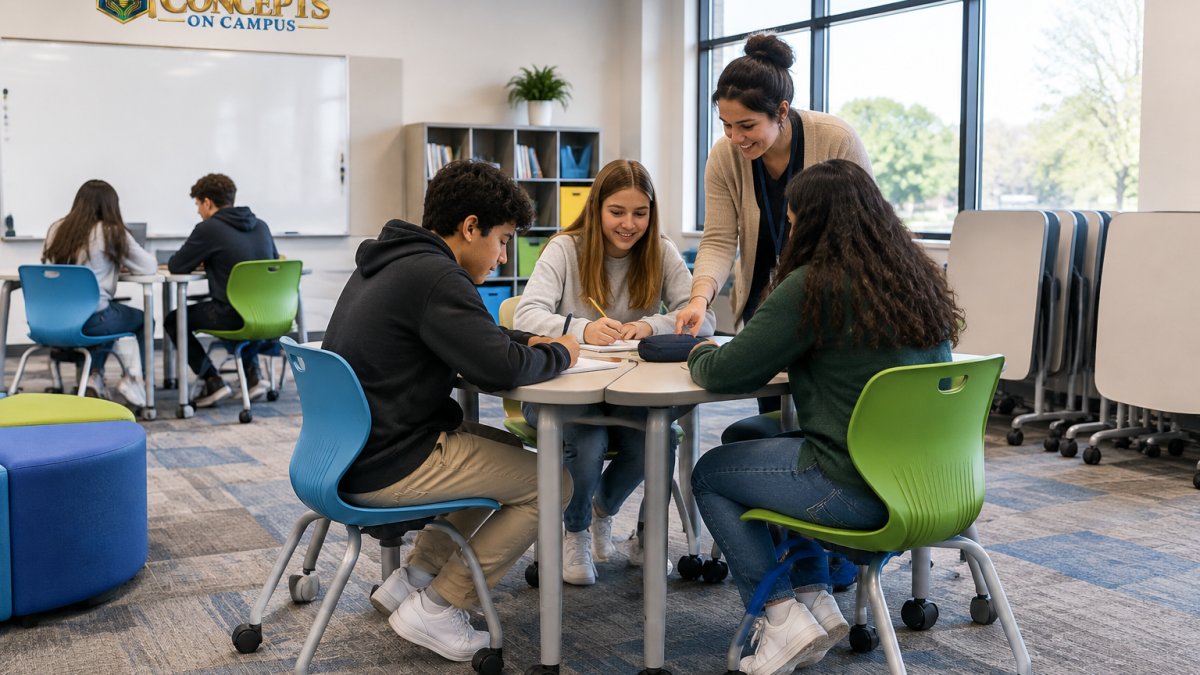
Flexible furniture in K-12 schools means seating and work surfaces students and teachers can move, reconfigure, and repurpose without tools.
Flexible Seating Classroom Ideas That Support Focus and Movement
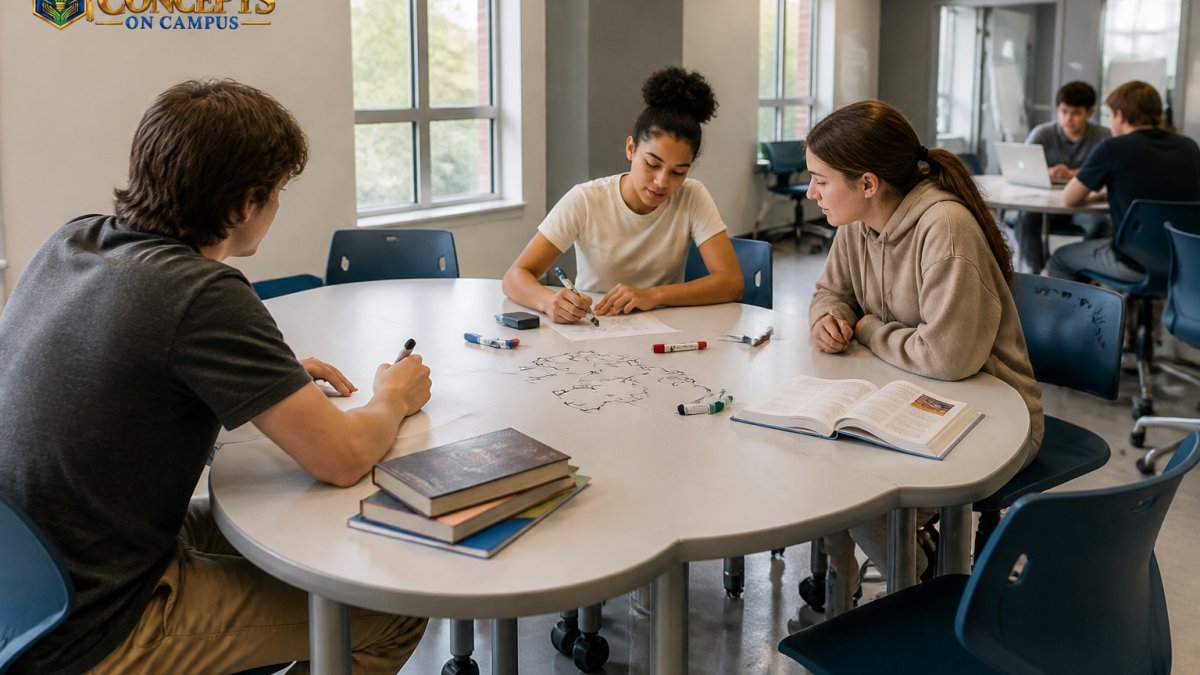
Start with zones, not products: a quiet corner for independent reading, clustered tables for group work, a standing-height surface, and soft seating for discussion.
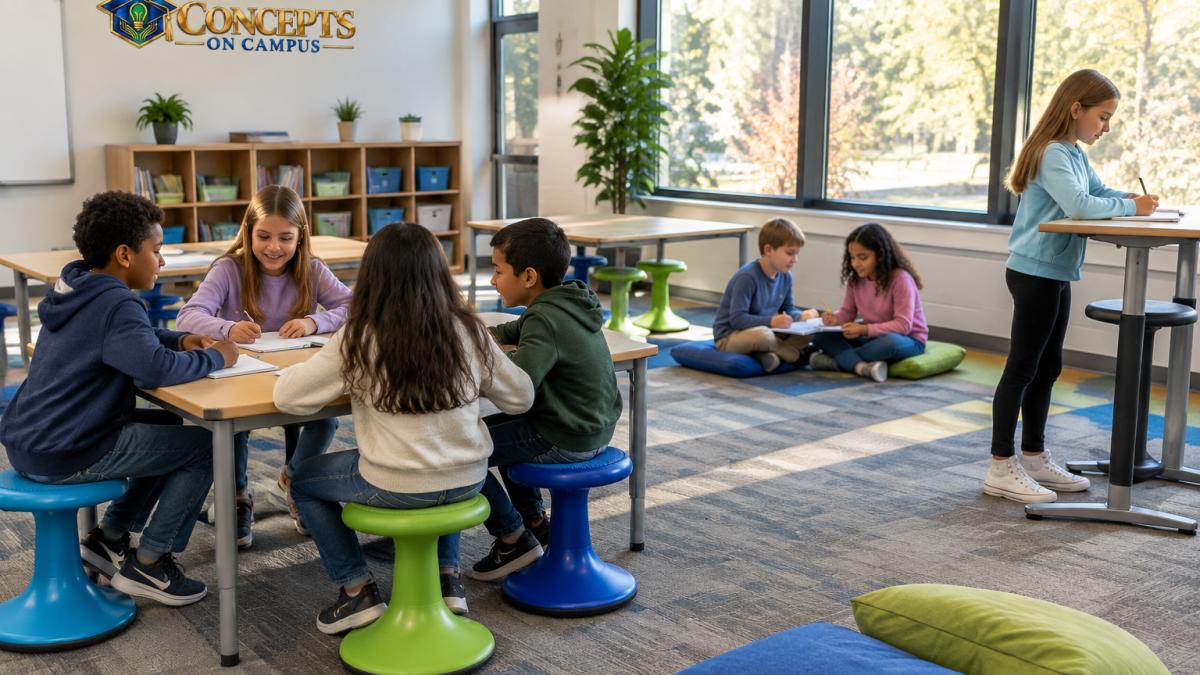
Define zones and teach routines early so open seating stays organized.
Classroom Seating Options for Students: Matching the Furniture to the Learner
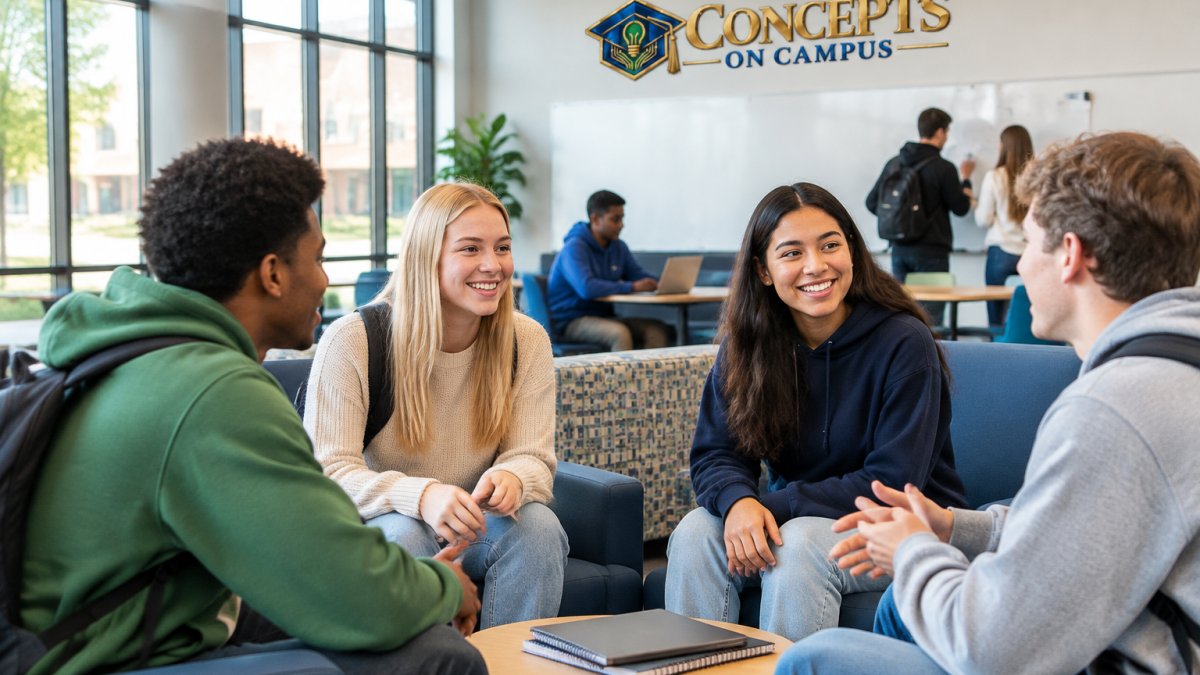
No single seat works for every student, which is the point. Match the option to the learner and the task:
Explore Think Board Solutions Today →
| Seating Option | Best For | Watch For |
|---|---|---|
| Wobble stool | Students who fidget or need movement | Fatigue during long writing tasks |
| Soft seating | Reading and discussion | Poor posture for extended writing |
| Standing-height table | Students who think better upright | Needs stool access for breaks |
Consider mixing furniture styles within each room so teachers can adjust the mix over time.
For schools modernizing existing rooms, surface upgrades often matter as much as seating. Peel-and-stick dry-erase film from Think Board can turn a plain wall or old whiteboard into a writable, magnetic-receptive surface for capturing group thinking. See how to customize campus spaces for better learning environments.
Frequently Asked Questions
What are the benefits of flexible seating in the classroom?
Flexible seating gives students a say in where and how they work. Movement-friendly options like wobble stools and standing desks let students shift position without leaving the room, while soft seating supports quiet reading and small-group work.
Does flexible seating help students with ADHD?
Some students find it easier to work when they can move slightly. Active seating options such as wobble stools or balance balls offer one choice, and some students need a calm, low-distraction spot. Offering a mix of choices, including a traditional desk, lets each student pick what works.
How can schools introduce flexible seating without disrupting instruction?
Start with one classroom or one underused space rather than a whole building. Set clear expectations for how students choose seats and rotate furniture back at the end of each period. Peel-and-stick dry-erase film from Think Board can be added to walls or tabletops for a writable surface. Gather teacher and student feedback before expanding to other rooms.